β--PPH Union típusú lábszelep
Termékjellemzők: Jó vízzáró teljesítmény Könnyű anyag Jó ko...

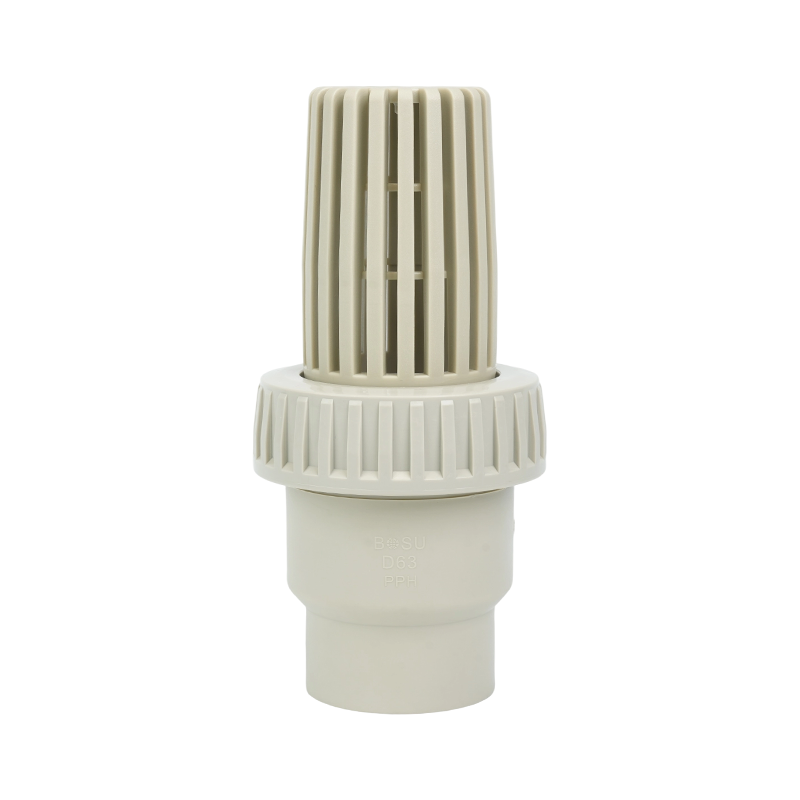
Termékjellemzők: Jó vízzáró teljesítmény Könnyű anyag Jó ko...
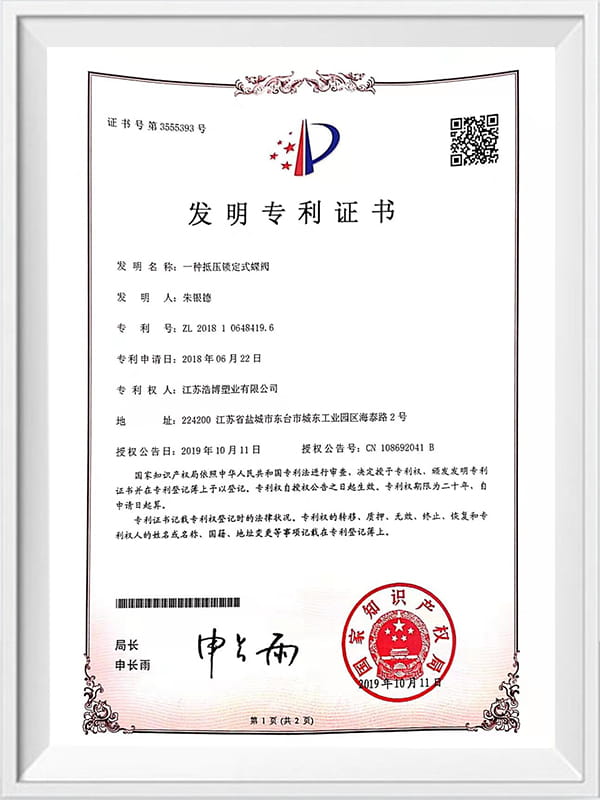
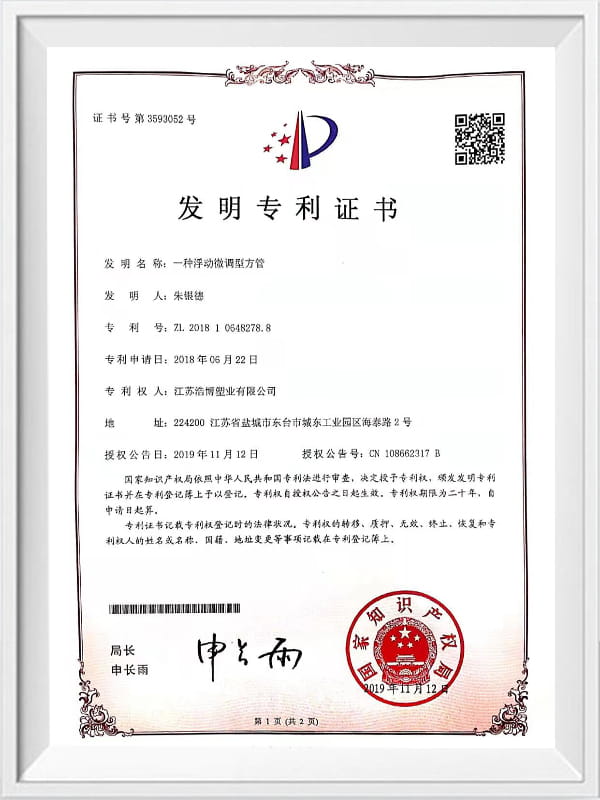
Egy vegyi üzem leállító személyzetének egy munkája maradt az újraindítás előtt: cserélje ki a szivárgó tömítést egy 12 méteres szelepen egy teljesen hegesztett PPH vezetékben. Cutting the pipe meant a new spool, a new weld, a cooling wait and a second pressure test, four extra hours on a schedule with none to spa...
TovábbiakVásárol egy műanyag golyóscsapot azzal a kérdéssel, hogy "eladja?" így a projektek végül kétszer fizetnek. Valójában a test anyaga, a tömítés elasztomerje és a szeleptest csőhöz való csatlakozása dönti el, hogy egy műanyag golyósszelep csendesen működik-e öt évig, vagy az első alkalommal meghibásodik – nem az ajá...
TovábbiakKét szerelő, egy 2 db-os tekercs PVDF csőben és egy láda DN 50 karimaadapterrel. Minden a menetrend szerint érkezik, és semmi sem passzol: a cső külső átmérője 60,3 mm, míg az adapter 50 mm-es külső átmérőre van megmunkálva. Egyik címke sem rossz. Az alkatrészek egyszerűen két különböző méretezési rendszerhez tar...
Továbbiak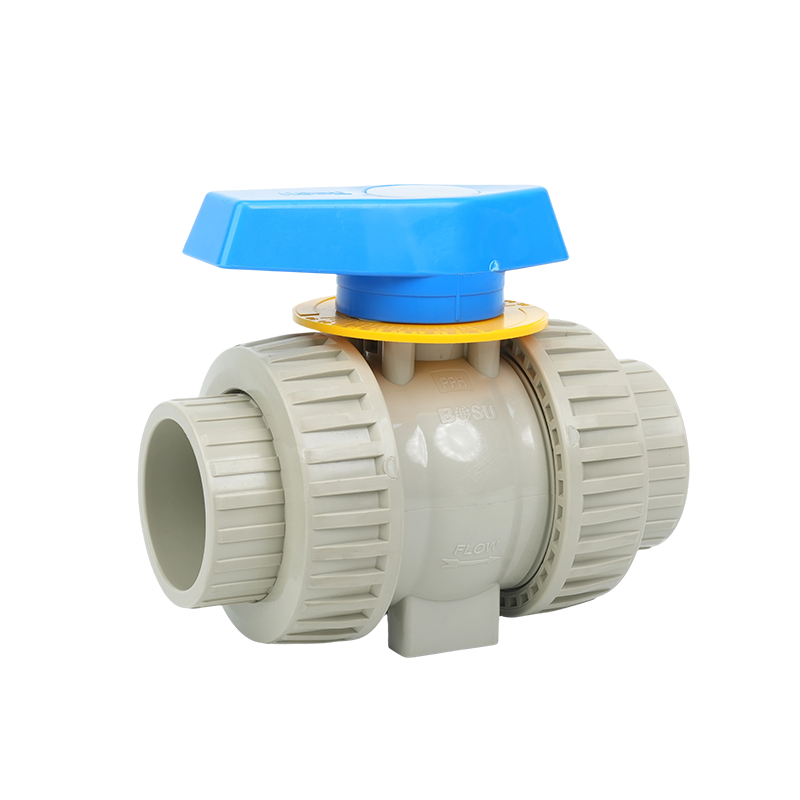
1. Termékjellemzők: Személyre szabott fogantyújelző funkció, LOGO, adathordoz...
Továbbiak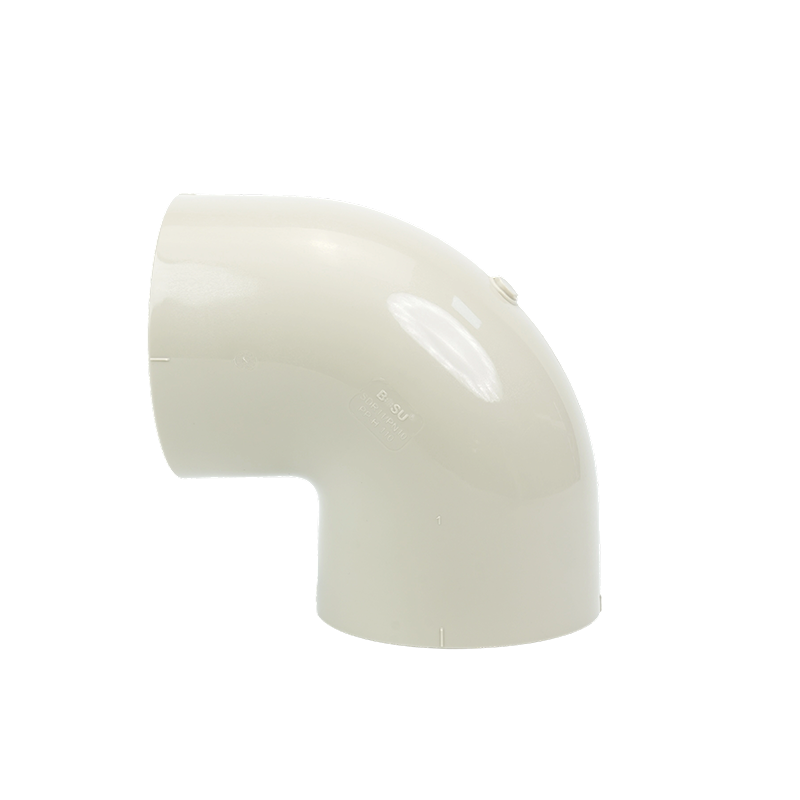
Ez a tompahegesztésű könyök karcsú és csúcsminőségű megjelenést biztosít a te...
Továbbiak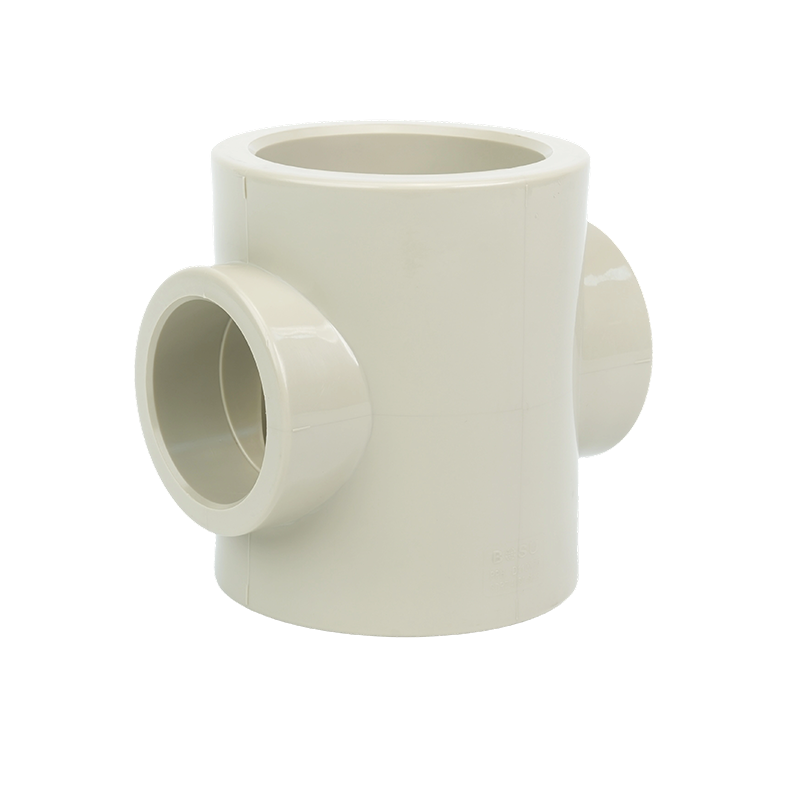
1. Négy különböző átmérőjű, merőlegesen metsző cső összekötésére szolgál. ...
Továbbiak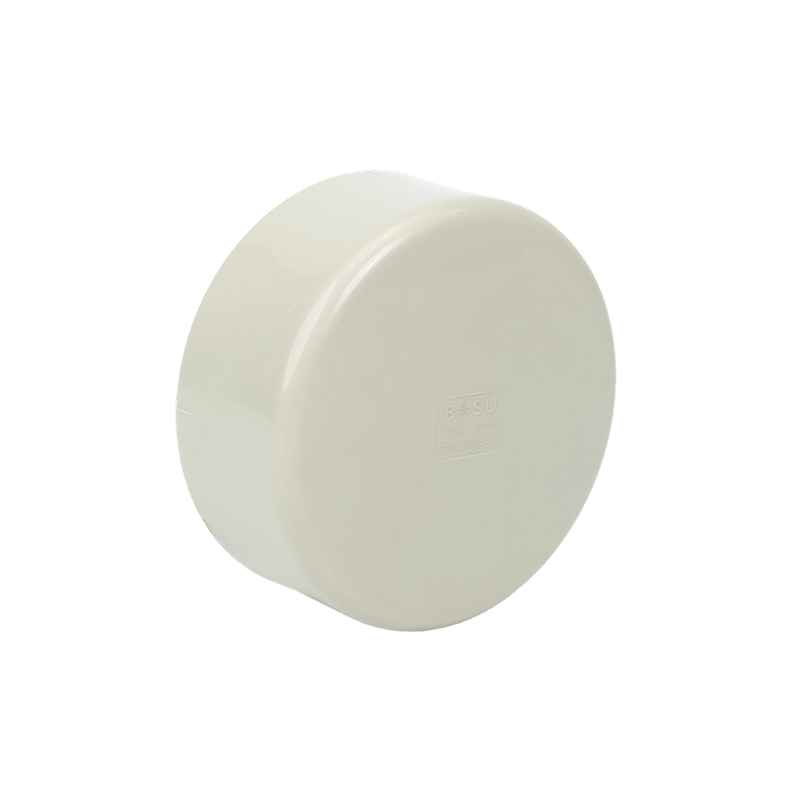
1. Tartós, korrózióálló, könnyű, csővezetékek tömítésére szolgál. Alkalmas ol...
Továbbiak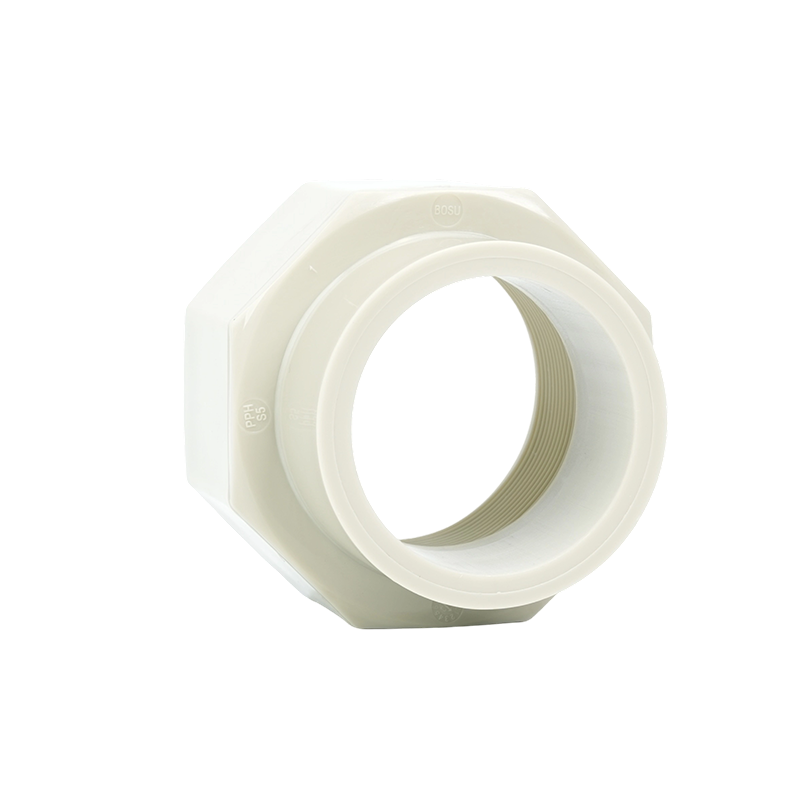
1. Ez a termék gyors, biztonságos és hatékony telepítéssel rendelkezik. Sima ...
Továbbiak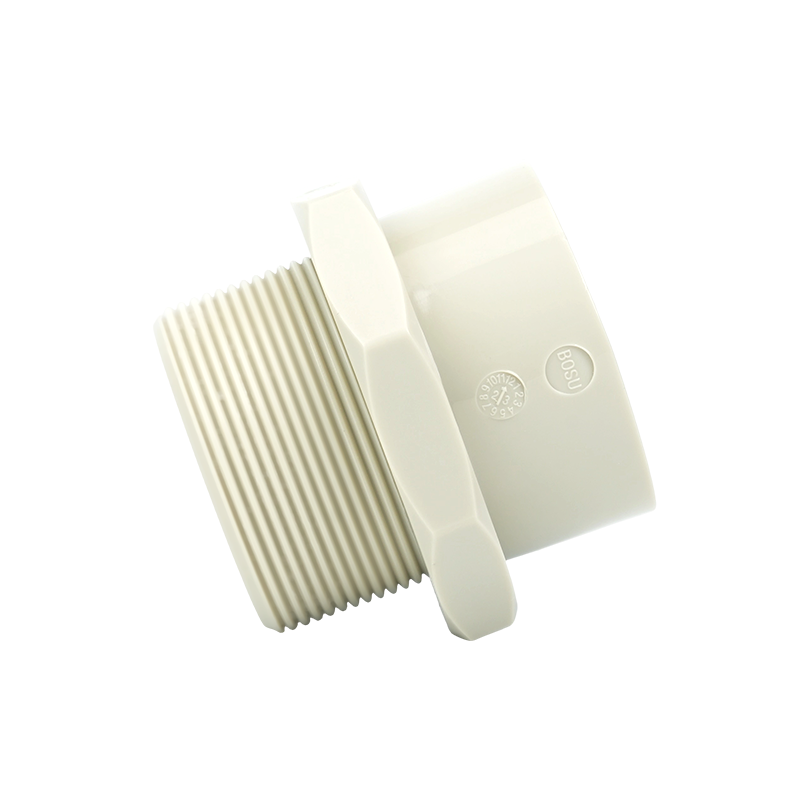
1. Gyors csatlakozás, nagy nyomásállóság, jó tömítés, biztonságos és megbízha...
TovábbiakWhat are Foot Valves β-PPH?
1. Basic Concept: Foot valves are self-priming valves installed at the bottom of pipelines, utilizing gravity, and are commonly used for automatic liquid discharge or backflow control. β-PPH is a β-modified homopolymer polypropylene (PPH) material with a uniform and fine crystalline structure, maintaining stability in high-temperature (up to 100℃) and highly corrosive environments.
2. Material Advantages: β-PPH combines the lightweight and chemical resistance of polypropylene with the high hardness and wear resistance resulting from β modification, making the foot valve body less prone to aging and cracking during long-term use.
3. Application Scenarios: Foot valves are widely used in pipeline systems in industries such as chemical, semiconductor, pharmaceutical, and wastewater treatment, and are especially suitable for conveying media requiring high reliability and long service life.
How durable are Foot Valves β-PPH in corrosive media such as those found in chemical, pharmaceutical, and wastewater treatment applications?
1. Chemical Media: The homopolymer structure of β-PPH makes it chemically inert in strong acid and alkali environments, resisting common corrosive solvents and resulting in a significantly longer service life than ordinary PP valve bodies.
2. Pharmaceutical Industry: Pharmaceutical production has extremely high requirements for cleanliness and material safety. The non-toxic and odorless properties of β-PPH meet GMP standards and do not produce harmful degradation products during high-temperature sterilization, ensuring long-term reliable valve operation.
3. Wastewater Treatment: Wastewater often contains corrosive salts and microorganisms. The corrosion resistance and aging resistance of β-PPH allow foot valves to maintain their sealing performance even after thousands of hours of continuous operation, greatly reducing maintenance frequency.
4. Overall Performance: In actual projects in the above three industries, the mean time between failures (MTBF) of Foot Valves β-PPH can reach more than 5 years, far exceeding the service life of traditional metal valves or ordinary plastic valves.
Termékek
Céginformáció
Cím: No. 55 Haichuan Road, High-Tech Zone, Dongtai City, Jiangsu tartomány, Kína
Mobil: +86 137 7009 5258
Telefon: +86-515-85479999
E-mail: [email protected]
Szeretnénk hallani véleményét!
